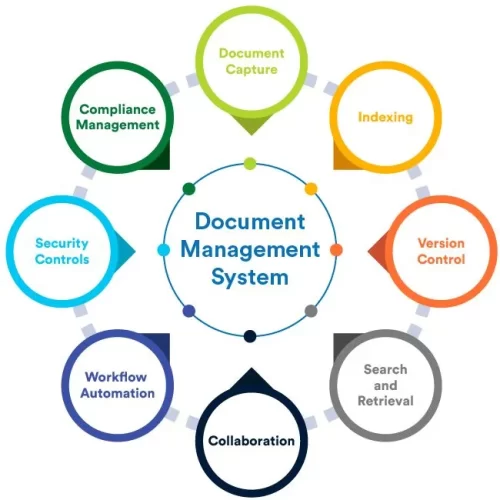
In today’s fast-evolving digital landscape, data is no longer just a by-product of business operations it’s the foundation on which companies build strategy, innovation, and growth. As organizations rush to embrace digital transformation, the spotlight is increasingly turning toward effective data management as a key enabler of this journey.
 What is Data Management?
At its core, data management refers to the collection, storage, organization, protection, and utilization of data in a way that ensures accuracy, accessibility, and security. It encompasses processes like data governance, quality control, integration, and lifecycle management.
The Role of Data in Digital Transformation
Digital transformation involves the integration of digital technology into all areas of a business, fundamentally changing how organizations operate and deliver value to customers. But without structured and well-managed data, these technologies can’t deliver their full potential.
Here’s why data management is critical:
1. Data as a Strategic Asset
Organizations generate massive amounts of data every day from customer interactions to supply chain logistics. When this data is managed effectively, it becomes a powerful asset for strategic planning, performance monitoring, and innovation. Without proper management, this data remains underutilized or misused, stalling transformation efforts.
2. Improved Decision-Making
High-quality, real-time data fuels advanced analytics and business intelligence tools, enabling faster, data-driven decisions. Leaders can gain insights into customer behavior, market trends, and operational inefficiencies key elements needed for a successful digital transformation strategy.
3. Enabling Automation and AI
Automation tools, machine learning models, and artificial intelligence rely heavily on structured and clean data. Poor data quality can lead to inaccurate outcomes, reduced trust in digital systems, and failed automation initiatives. Effective data management ensures these technologies operate on reliable inputs.
4. Regulatory Compliance and Data Security
With rising data privacy regulations (like GDPR and India’s DPDP Act), businesses must manage data responsibly. Good data management ensures that sensitive information is stored securely, used ethically, and complies with legal standards—minimizing risks and protecting brand reputation.
5. Enhanced Customer Experience
Personalized services, responsive support, and seamless digital interfaces are hallmarks of a digitally transformed business. These depend on centralized, accessible, and accurate customer data. Data management enables organizations to deliver consistent and meaningful experiences across all touchpoints.
Conclusion
Digital transformation without a strong data management framework is like building a skyscraper on a shaky foundation. Whether you’re implementing cloud solutions, adopting AI, or redefining customer journeys, data is at the heart of it all. Investing in effective data management isn’t just a technical upgrade it’s a strategic imperative for future-ready businesses.
Empower your digital journey. Start with your data.