
In the digital age, data is the lifeblood of any organization. But without proper organization, even the most valuable data can become a liability rather than an asset. This is where data indexing plays a vital role. When executed effectively, data indexing ensures speed, accuracy, and access the three pillars that define a streamlined, productive, and secure data management system.
1. Speed: Quick Retrieval in a Fast-Paced World
Today’s businesses cannot afford delays. From customer support to financial audits, instant access to data is crucial. With effective data indexing, information is stored systematically based on predefined fields such as document type, date, client ID, or invoice number. This structured approach enables quick searches and real-time retrieval.
For example, a healthcare provider with thousands of patient records can instantly locate a specific file without scanning through piles of folders. This speed translates into improved productivity, faster decision-making, and better customer service.
2. Accuracy: Eliminating Human Errors
Manual data management often results in inconsistencies, duplication, and lost information. Data indexing, when done accurately, minimizes these risks. By assigning standardized tags, codes, or keywords to each document, businesses reduce dependency on memory or guesswork during retrieval.
Professional data entry and indexing services often use verification processes and software tools that double-check entries, ensuring each piece of data is categorized correctly. This not only maintains data integrity but also builds trust within the organization.
3. Access: Secure and Organized Information
Properly indexed data improves access not just in terms of speed but also in security and authorization. Employees can be granted role-based access to specific data categories, ensuring confidentiality is maintained while still allowing smooth internal workflow.
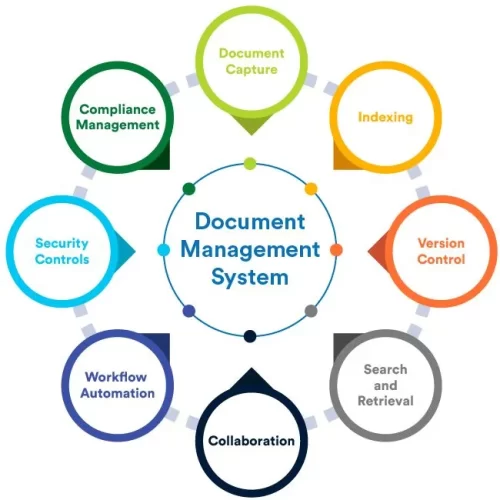
Moreover, indexed data supports better integration with Document Management Systems (DMS), ERP platforms, and CRMs, making cross-functional data usage seamless and secure.
Why Businesses Should Invest in Data Indexing
Whether you’re a law firm handling thousands of case files, a logistics company tracking shipment data, or a government body managing citizen records data indexing brings control and clarity to information chaos.
Outsourcing data entry and indexing to professionals not only saves time but also ensures that industry standards and data compliance regulations are met without error.
Conclusion
In an era driven by data, speed, accuracy, and access are not luxuries they’re necessities. Effective data indexing ensures that your organization can locate the right information, at the right time, and in the right format. It empowers teams, improves customer experiences, and prepares businesses for future growth.
If your organization is still struggling with unstructured or inaccessible data, it’s time to embrace the power of smart data indexing.