
In today’s data-driven world, even a small error in data entry can lead to major operational and financial consequences. Whether it’s a misspelled name, an incorrect number, or duplicated records, these issues can disrupt workflows, skew analytics, and damage business credibility. That’s where smart data entry practices come in streamlining accuracy, consistency, and efficiency across digital operations.
Why Errors and Duplicates Matter
Data entry errors and duplication aren’t just annoyances they’re costly. According to industry reports, poor data quality costs organizations billions each year. Errors can lead to flawed reports, missed opportunities, and compliance risks, while duplicates waste storage and create confusion among teams.
For example, a CRM system with duplicate customer entries may result in multiple contacts for the same person, causing marketing overlap and customer frustration. In financial databases, one wrong digit can throw off entire reports or billing systems.
Smart Data Entry: A Modern Solution
Smart data entry combines automation, validation rules, and advanced Data indexing techniques to improve data accuracy and prevent duplication. Here’s how businesses are reducing errors using smart practices:
1. Automated Data Capture
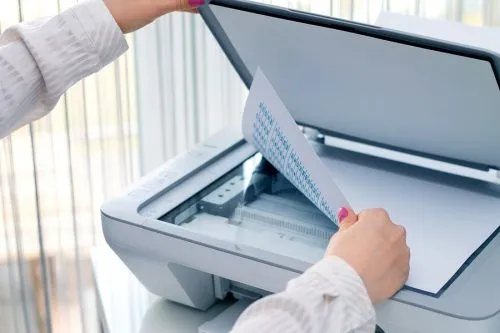
Instead of manually typing data, smart systems can scan documents, extract relevant fields, and populate databases automatically using OCR (Optical Character Recognition) and AI-powered tools. This reduces manual input and the risk of human error significantly.
2. Data Validation Rules
Validation rules restrict users from entering incorrect or inconsistent data. For example, a form can be designed to only accept numeric input in phone fields or require email formats for contact fields. These simple checks drastically reduce entry errors.
3. Duplicate Detection Systems
Modern data entry platforms include real-time duplicate detection. If the same name, ID, or email is already in the system, users receive an alert. This helps maintain a clean database and avoids the confusion of repeated records.
4. Standardized Formats and Templates
Enforcing standard formats for data such as consistent date styles, address formats, or naming conventions reduces inconsistencies. Smart templates guide users to input data correctly the first time, leaving little room for variation.
5. Role-Based Access and Permissions
Limiting who can enter or edit data ensures that only trained personnel handle sensitive information. This reduces unauthorized or careless data manipulation, contributing to overall accuracy.
The Benefits of Smart Data Entry
Implementing smart data entry practices offers numerous benefits:
-
Increased data accuracy
-
Reduced operational costs
-
Improved decision-making
-
Enhanced customer experience
-
Streamlined compliance and audits
Conclusion
As businesses grow and handle more information, error-free data entry becomes critical. Investing in smart data entry solutions combining automation, validation, and duplication control can protect your business from data chaos and drive operational excellence.
In a digital-first age, clean and accurate data isn’t just a goal it’s a necessity.