
In the fast-paced business era, managing huge volumes of data effectively is imperative for any company. Businesses create thousands of documents, records, and files on a daily basis, which proves to be time-consuming in retrieving information. Smart data indexing methods come to the rescue here, allowing businesses to save time, minimize errors, and increase overall productivity.
What is Data Indexing?
Data indexing is the method of structuring and classifying data for easier accessibility and retrieval upon requirement. Picturing it as a library system similar to books with special codes for quick location, files and documents have identifiers for easy location.
Advantages of Smart Data Indexing
-
Easier Access to Information
With well-indexed information, workers are able to access the needed information within seconds rather than wasting hours rummaging through folders or databases. This accelerates decision-making and improves efficiency. -
Better Accuracy
Searching manually usually results in mistakes, lost documents, or redundant records. Intelligent indexing methods make sure that each file is well-classified and saved, minimizing errors and improving data integrity. -
Better Productivity
Through automation of file and record organization, workers are able to concentrate on more significant activities instead of wasting time on data handling. This results in increased productivity and more efficient use of resources. -
Seamless Integration with Digital Systems
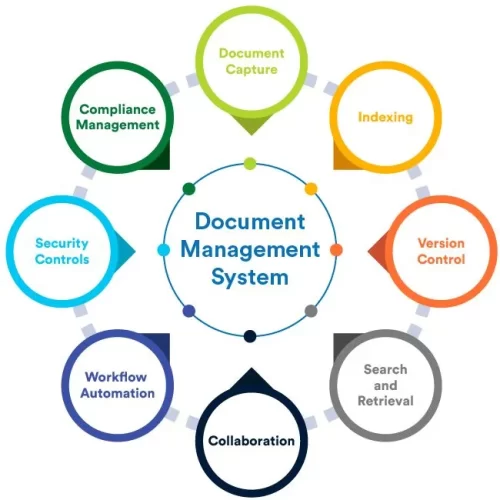
Contemporary data indexing technologies work in harmony with document management systems (DMS) and other enterprise applications, enabling workers to access data across platforms in real-time.
Smart Data Indexing Techniques to Implement
-
Use Metadata: Add metadata like document type, date, author, and category to facilitate searching and sorting.
-
Optical Character Recognition (OCR): Scan documents and turn them into searchable text to allow rapid keyword searches.
-
Automated Indexing Tools: Use software that automatically classifies and tags documents in accordance with predetermined rules.
-
Consistent Naming Conventions: Have a uniform naming structure for files to ensure consistency and prevent confusion.
-
Hierarchical Organization: Place files in a clean hierarchy, e.g., department → project → document type, for easy navigation.
Conclusion
It is no longer a choice to implement smart data indexing methods for businesses it’s a necessity. By keeping your information organized, not only do you save time but accuracy, productivity, and operating efficiency improve as well. Be it invoices, client histories, or project documents, using smart data indexing can revolutionize the way your company processes information.