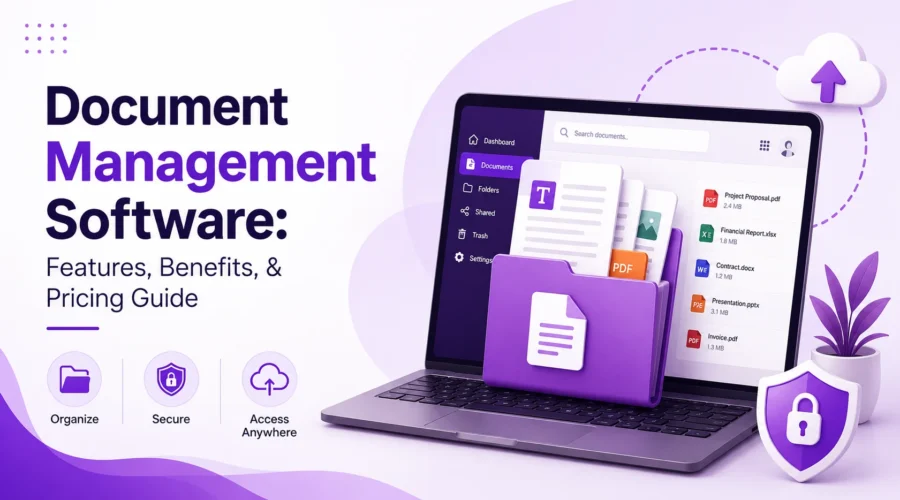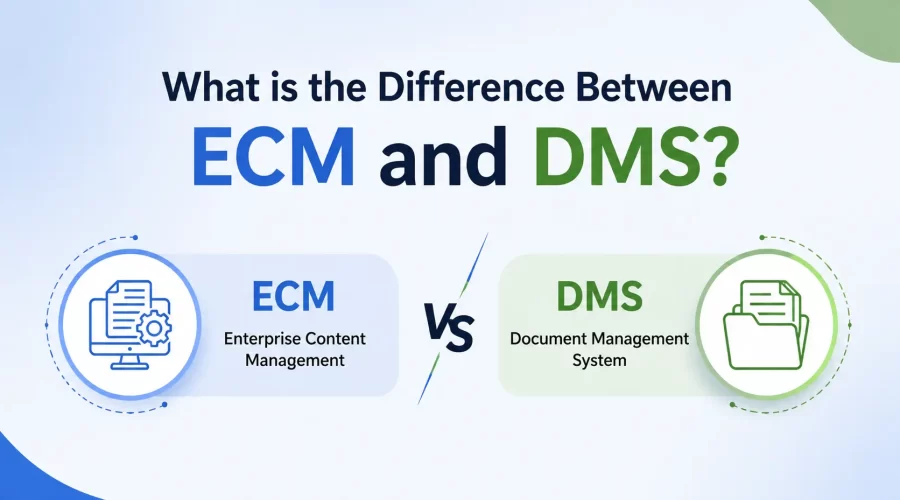
In today’s digital age, healthcare organizations manage vast amounts of sensitive patient information. Protecting this data is not just a regulatory requirement—it’s critical for maintaining patient trust and ensuring operational efficiency. Healthcare Document Management Systems (DMS) play a pivotal role in improving data security while streamlining access to records.

1. Centralized Storage for Better Security
Traditional paper-based records are vulnerable to loss, theft, or damage. A document management system stores all healthcare records digitally in a centralized, secure repository. This reduces the risk of unauthorized access and ensures that patient data is protected from physical hazards.
2. Controlled Access and User Permissions
DMS solutions allow healthcare organizations to set granular user permissions. Only authorized personnel can access sensitive records, and different levels of access can be assigned based on roles. This prevents unauthorized viewing or editing of patient data, ensuring compliance with privacy regulations.
3. Data Encryption and Secure Transmission
Healthcare DMS often includes encryption protocols for storing and transmitting data. Encryption converts sensitive information into unreadable code for unauthorized users, making patient records safer during transfers between departments or remote access scenarios.
4. Audit Trails and Monitoring
Document management systems maintain detailed audit trails that track who accessed, modified, or shared a file. These logs are crucial for detecting suspicious activity, ensuring accountability, and meeting regulatory compliance requirements such as HIPAA.
5. Secure Backup and Disaster Recovery
Data loss due to system failures, natural disasters, or cyberattacks can be catastrophic for healthcare facilities. DMS solutions provide automated backup and disaster recovery options, ensuring that patient records are always retrievable and secure.
6. Compliance with Regulatory Standards
Healthcare organizations must adhere to strict data privacy and security regulations. Document management systems help enforce compliance by providing secure storage, controlled access, and detailed reporting mechanisms, making audits simpler and reducing the risk of penalties.
7. Enhanced Collaboration Without Compromising Security
Healthcare professionals often need to share patient data for diagnosis or treatment. DMS allows secure collaboration by providing authorized access to files while preventing data breaches, ensuring that patient information is shared safely.
Conclusion
Protecting patient data is a top priority for healthcare organizations. Implementing a robust Healthcare Document Management System enhances data security through centralized storage, controlled access, encryption, audit trails, and disaster recovery. By leveraging DMS, hospitals and clinics can not only safeguard sensitive information but also improve operational efficiency, compliance, and patient trust. Investing in a reliable document management system is a strategic move toward a more secure and streamlined healthcare environment.