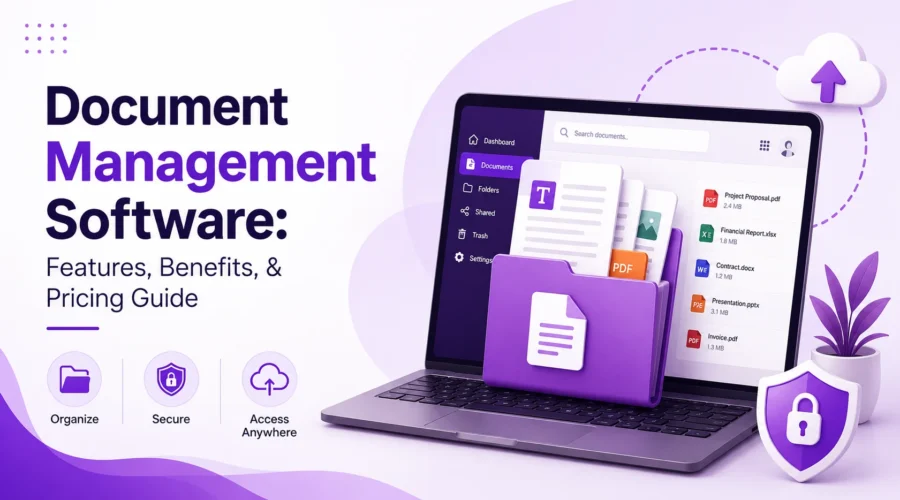
Information is one of the most significant business assets for small and medium-sized enterprises besides money. Besides customer details invoices employee records contracts purchase documents, etc. you may have scanned files, job applications and the like. These are the types of data produced daily. Without a proper system, your file drawer or record is always at risk. Locating or updating one particular document can turn into a nightmare and waste plenty of hours as well.
Data Entry & Indexing Services offered for SMEs is a methodical and systematic means of conversion, sorting and preservation of business information. This way, instead of spending the precious time and internal resources on data entry tasks, an SME can resort to outsourcing it and thereby create accurate, searchable and well-organized records.
What Do Data Entry & Indexing Services Involve?
Data entry is not only the act of typing words into a spreadsheet but much more than that. Based on the requirement of the business, it may also involve gathering information from forms invoices scanned papers PDFs applications, or legacy databases.
Indexing brings an additional level of sorting and arranging the data. Key details like the number of the document, the name of the customer, the department, the date class location, and the references can be added to each record through indexing. These indexing fields facilitate searching, identifying, and retrieving particular information at a later.
This well-organized method will not only speed up everyday document processing but also Much lower the chances of errors for SMEs having to handle hundreds or thousands of records.
1. Turn Unstructured Information into Usable Data
Often, companies store their information in different ways, including emails, paper files PDFs spreadsheets, and scanned documents. It becomes challenging to manage the information consistently.
Professional data entry providers have the ability and means to turn these random bits of data into organized, electronic records. After the records are standardized, the company will be able to make better use of the information for day-to-day operations, reporting, and document management.
2. Reduce the “Search Time” Problem
A costly problem that many businesses are not aware of is the time spent by employees looking for information.
Though a worker might know that such a document exists, it still might take him several minutes to reach the place where that file is stored. Document indexing done properly sets up search terms that enable faster document recovery.
Saving a couple of minutes each time on document searching at thousands of documents level of SMEs will mean that overall productivity increases meaningfully through the process.
3. Create Consistency Across Business Records
Employees can get different results when they put down the same things. For instance, someone can write customer name as initials, while another can use his whole name.
We can apply fixed formatting rules for entering and indexing data. That will help us standardize database entries to be less labor-intensive when it comes to maintaining databases.
4. Make Existing Documents More Valuable
Making a paper into the digital world doesn’t mean its contents become user-friendly.
Take a scanned invoice, it can still be hard to find without proper indexed metadata. It is data entry and indexing in parallel with digitization that can help in making the documents of a business from being inactive to organized business records.
5. Support Faster Customer Service
Customers usually expect businesses to provide information in a fast way. It is quite common that customer service representatives need to pull up invoices, app forms, previous customer contacts agreements financial records during customer conversations to name a few of the documents that should be available to them at any time.
With a well-done indexing system, employees can find the right documents much more quickly and So the company can answer customer queries without unnecessary delays.
6. Improve Business Continuity
The most important information must not be dependent only on an employee’s knowledge of how the files are arranged or stored.
A documented record management process ensures that the record-keeping is standardized for naming, classifying, and indexing. So, it is quite easier for an employee to find information even when they do not know the exact location at the change of job duties.
7. Scale Data Operations Without Increasing the Internal Workload
When an SME grows, so does the quantity of data and documents they handle. It may often become impractical to hire additional staff just for doing repetitive data entry tasks.
By using Data Entry & Indexing Outsourcing Services, the company has the possibility to handle the growing workload while not having to increase continually the number of employees of administrative staff.
8. Support Document Management Systems
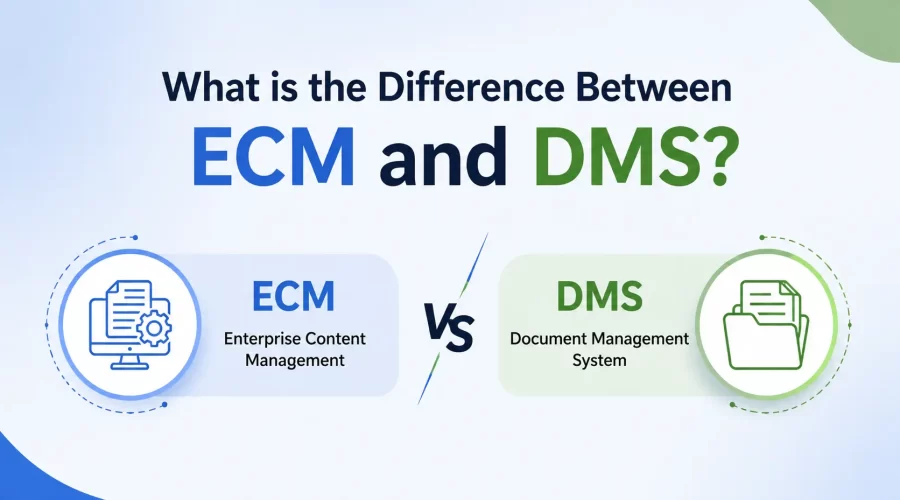
Beyond the immediate need for accurate record entry, one of the primary roles of such data entry and indexing services is in ensuring the efficiency and usability of Document Management Systems.
Accurate metadata and indexing information contained in the records will allow the Document Management System to offer improved search, classification, and retrieval functionalities. This capability is Mainly beneficial when an SME is aiming to create a paperless office and have all documents stored centrally in a digital format.
How to Select the Right Service Provider?
The service provider has to grasp the data structure and the needs of the business. It does not make sense to offer the same service for every business. The service provider also needs to be capable of handling various document formats. The outsourcing process includes the selection of the service provider, so before the service provider is decided the company has to check a lot of things. These include processes of data quality, data input standards, output data format standards, data integrity procedures, data delivery timelines, confidentiality standards, quality verification procedures, and the service provider’s capability to handle different formats of the documents.
Moreover, it is advisable to determine indexing fields beforehand. This way, it becomes easy for the provider to index files and documents as the defined requirements to create the database or document repository which matches the business operational workflow perfectly.
Frequently Asked Questions
1. What are Data Entry & Indexing Services for SMEs?
Data entry & indexing services are professional means of transforming information of any business into structured digital data. These professionals also tag indexing fields to each document to make data and documents easy to search for and retrieve.
2. Why should an SME outsource data entry and indexing?
Outsourcing is a great way of cutting down the number of repetitive administrative tasks you perform, ensuring uniformity in your company’s data, assisting speedy document retrieval, and letting your internal staff focus on vital business operations.
3. Can indexing services help with scanned documents?
Without a doubt, your indexing service providers can work with your scanned documents and add important details like the date type name of the customer, reference number, or other required fields to it as per your needs.
4. Are Data Entry & Indexing Services useful for growing businesses?
Frequently it is overlooked that the volume and number of documents in a growing business can be overwhelming. Data entry & indexing will make it easier to process structured business data enabling the smooth continuation of work without the company’s existing workforce getting bogged down with yet another set of tedious tasks.
Conclusion
Managing information so that works efficiently for small and medium enterprises is going far beyond document storage; it needs making business information structured, easily reachable, consistent and meaningful. Data Entry & Indexing Services can do the job of transforming chaotic records into ordered information while lightening the burden on the in-house teams.
A data entry and indexing process can be very effective in managing various types of documents, such as scanned pieces, customer databases bills filled-out forms, or even old files. The implementation of such a system could provide SMEs the means to streamline their paperless operations and also set themselves up for a successful digital expansion.